
Age Verification
Confirm that you are 18 years or older to enter the store.
Be patient...
You are not old enough to visit the store.

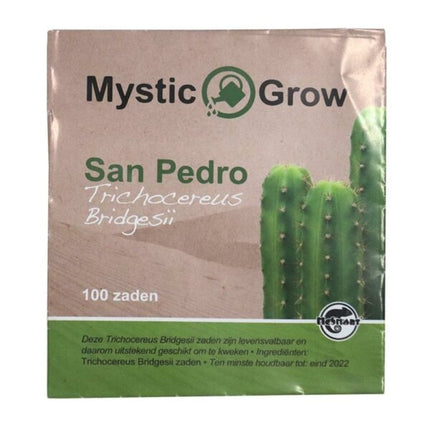
With these San Pedro T. bridgesii seeds (100 pieces), you’ve got everything you need to grow your own unique cactus. These high-quality seeds are perfect for passionate collectors and growers who want to experience the whole journey, from germination to a full-grown pillar cactus, up close. The mature plant is a real eye-catcher with its distinct look and naturally contains mescaline.
These seeds come from the Trichocereus bridgesii, a lesser-known but highly respected member of the San Pedro family. Thanks to a recent botanical reclassification, scientists now also call it Echinopsis lageniformis. That new name can be a bit confusing when you're diving into research, but luckily, it doesn't change anything about the seeds' powerful genetics.
Originally from Bolivia, this pillar cactus has played a central role in traditional ethnobotanical rituals and cultural traditions for centuries. Beyond that, it’s loved worldwide as an ornamental plant because of its unique growth patterns. Due to its specific, bulbous shape, this variety is often nicknamed the "penis cactus." Just like its famous relatives, this cactus contains the psychoactive alkaloid mescaline.
Growing this cactus takes the right environment, but once it’s settled, it’s surprisingly low-maintenance. As soon as the seeds sprout and the young cacti start growing, you can keep them either indoors or outdoors. Just keep these guidelines in mind:
This cactus loves plenty of natural light. Ideally, place it by a south-facing window where it can soak up plenty of sun. Don't have a bright spot? A grow light is a great alternative. The plant prefers a warm, dry climate. If you’re growing it outside, make sure to protect it from frost during the colder months, as freezing temperatures will cause damage. Also, ensure there's good airflow to prevent any moisture issues.
A well-draining soil mix is key to this plant's survival. Use a specific cactus mix or add a generous amount of perlite or pumice to regular soil. Terracotta pots are ideal because they help excess moisture evaporate. When repotting, always wear sturdy gloves to protect yourself from the sharp spines at the base. Gently loosen the root ball, place the cactus in its new pot, and press the soil down for extra support.
Too much water is this cactus's biggest enemy. Only water it when the soil is completely bone-dry and the cactus itself starts to look a bit wrinkled or feels soft. You can easily check the soil with a wooden skewer. Stick it deep into the soil; if it comes out clean, the ground is dry. Then, give the plant a good soak, making sure excess water can drain out of the bottom. During autumn and winter, the plant goes into a natural dormant state. Hardly give it any water during these months unless the stem looks extremely shriveled.
A healthy cactus has a vibrant, bright green color and a firm texture. A few light brown spots on the skin are totally normal. However, keep an eye out for round, dark brown, or black spots, as these can indicate a fungal infection. See deep cracks or rotting spots? That means the plant is getting too much water. You might also run into pests like mealybugs, scale insects, or snails. Deal with them immediately—using isopropyl alcohol, for example—to keep your plant healthy.
Once the cactus is mature—it can reach heights of 60 to 90 centimeters—you can easily propagate it using stem cuttings. Use a sterilized knife and make a clean cut at a node on a healthy stem. Make sure to leave the areoles (the little bumps where the spines grow) on the mother plant, as this is where new growth will sprout. Let the cut end of the clipping dry out for a few weeks until a callus forms before planting it in dry, well-draining soil. Wait to water it until the first roots have formed.
With the right care, the cactus may occasionally produce large, white flowers. These flowers only open at night and are covered in fine, white hairs.
In traditional ceremonies, the mature plant is known for its specific, mild character. Users often describe the experience as similar to that of Trichocereus peruvianus. The effects are mainly sensory, with a strong focus on colorful and vivid visuals. It’s a relatively calm, visual journey where feelings and visual impressions harmonize beautifully, making the experience feel clear and enlightening without being immediately overwhelming.
This product has no reviews yet

From €50 (Netherlands)

Always discreetly packaged and shipped quickly. No one sees what’s inside, except you.

Contact us! Available 7 days a week

Customers rate us 8.9 on Kiyoh